
Corpus Engineering
Prepare, segment, classify, and normalize large language sets into durable working corpora.
Capabilities
This page avoids vague consultancy phrasing. The system families are the point: corpus engineering, graph design, machine-facing interfaces, and readable telemetry around how those systems behave.
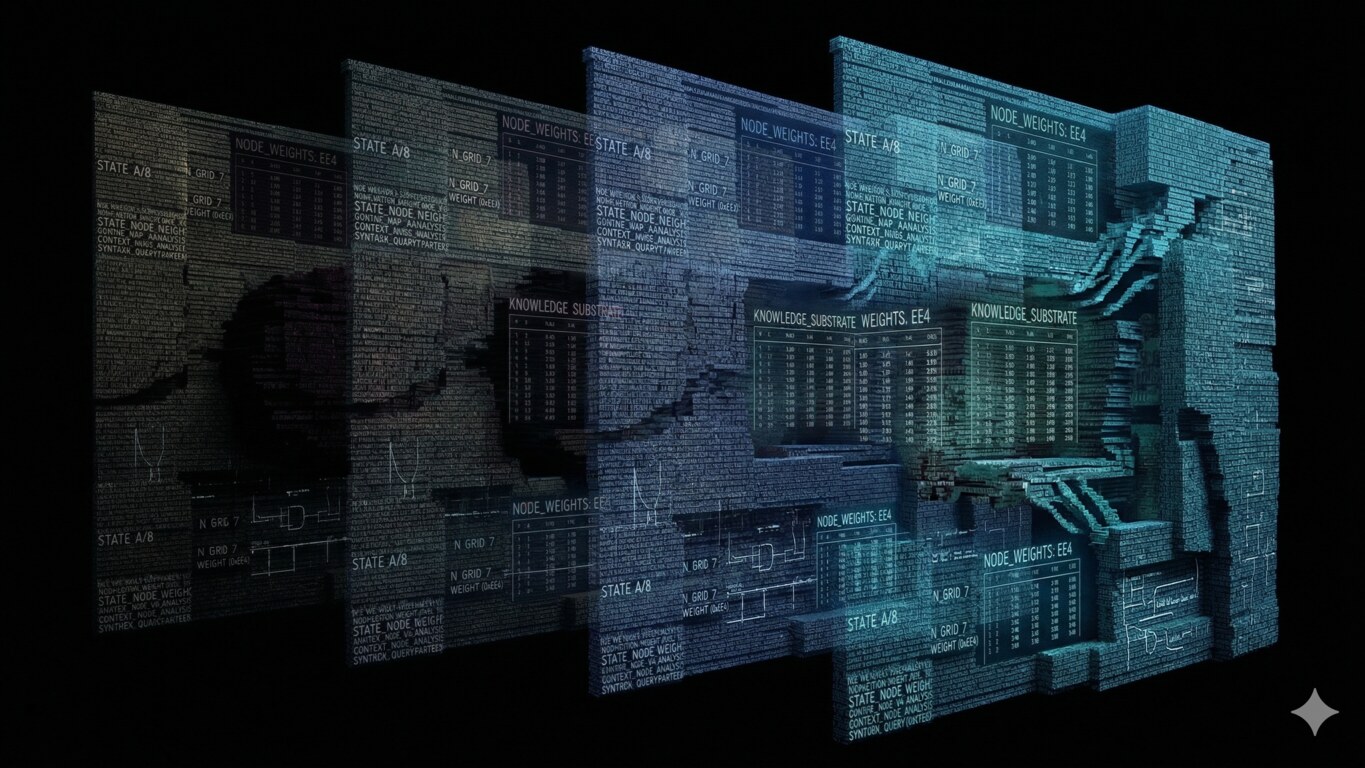
Prepare, segment, classify, and normalize large language sets into durable working corpora.
Translate ontologies, relation maps, and contextual rules into connected graph structures.
Shape operator surfaces, correction tools, and machine-facing controls around human language and task context.
Expose model state, traceable outputs, and analytical panels that make complex systems legible.
Model how terms, meanings, contexts, and variants shift across documents, tasks, and interfaces.
Keep the whole system modular so future applications, datasets, and sub-surfaces can be added cleanly.
Method
Map the corpus, the constraints, and the interface goal before over-designing the stack.
Shape semantics, relations, and context into explicit models instead of loose notation.
Build views, telemetry, and human interaction layers that can actually carry the work.
Keep the output modular so the future system can grow into real software, research, or product lanes.